

Understand before deciding
Surgery after major weight loss: where to begin?
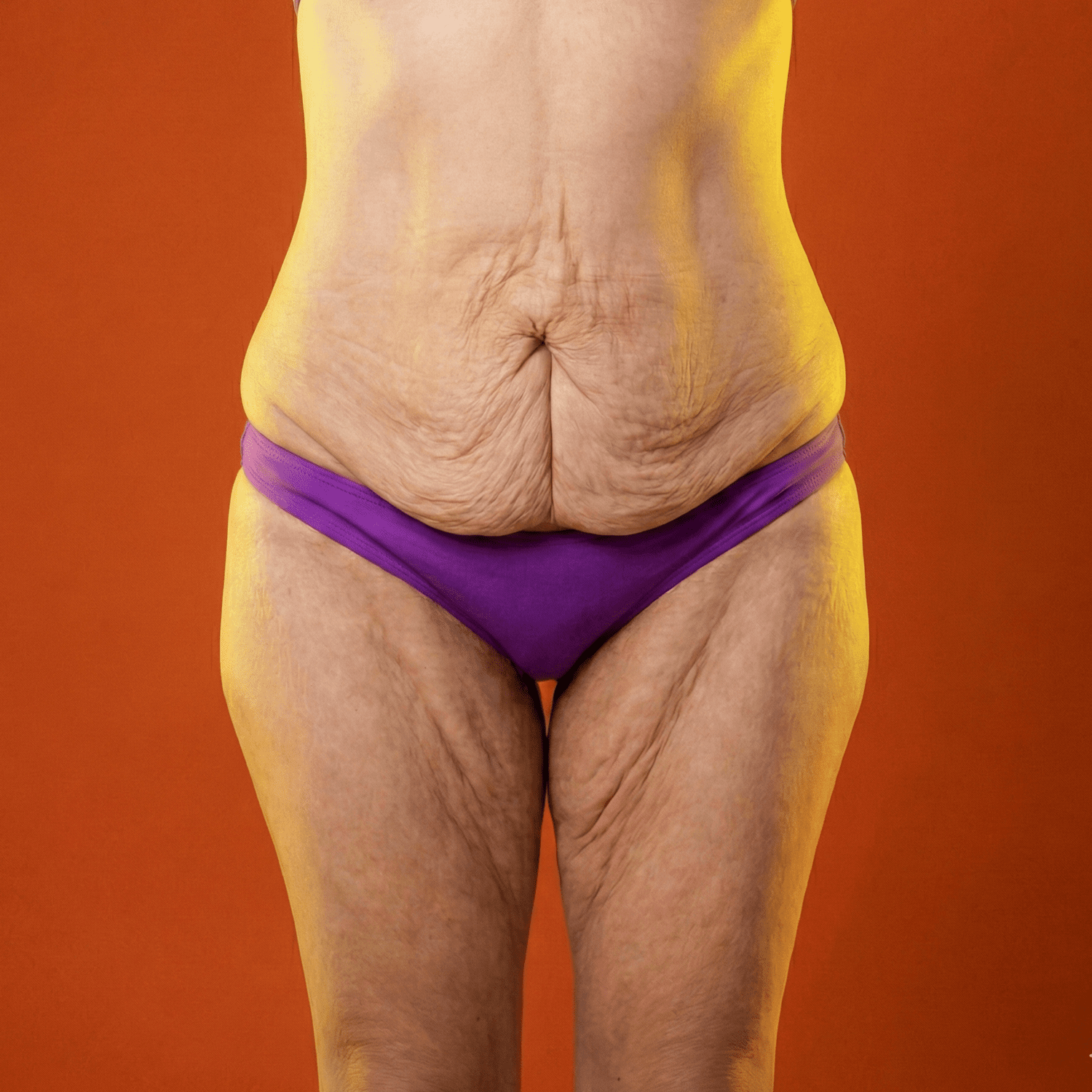
After major weight loss, excess skin can cause discomfort and difficulties in daily life. Body contouring is planned by area, considering health, weight stability and recovery.
- Assessment includes nutritional status and weight-loss history.
- The number of operations is not the same for everyone.
- Treating excess skin leaves scars and may require stages.
Suitability depends on an individual assessment.
Talk to us on WhatsAppUnderstand the differences
One area at a time or combined procedures?
Use this comparison to organise your questions. It does not determine which surgery is appropriate for you.
Suitability, risks and alternatives depend on an individual assessment.
- ASPS — Body contouring after weight loss — institutional guidance.
- ASPS — Body contouring procedures — institutional guidance.
The answers below retain their specific references. Institutional guidance and scientific studies serve different purposes; neither predicts an individual's outcome.
A plan that follows your story
After significant weight loss, several areas may need assessment. Planning considers excess skin distribution, health history and conditions for surgery, including when treatment needs stages.
The value of a consultation
What we will discuss and assess
- Areas causing discomfort and their impact on your routine.
- Weight changes, health conditions and nutritional assessment.
- Scars, risks and the need to organise treatment in stages.
A consultation is a space to ask questions and explore options. Booking does not commit you to surgery.
Choosing the time is part of care
Surgery does not replace ongoing health and weight management. Scars may be extensive, and suitability depends on individual conditions. Expectations, preparation and recovery should be discussed before each stage.
Suitability, recovery and outcomes depend on each case. Risks and alternatives will be discussed at your medical assessment.
An informed decision
Prepare your questions for the consultation
Planning starts with the area most affecting your routine. Stable weight, health and treatment extent help determine timing and sequence.
- How much weight have you lost, and how long has it been stable?
- Which area causes the most difficulty in daily life?
- Do you have nutritional follow-up and recent tests to bring?
Bring these questions to your consultation. You do not need to have chosen a technique beforehand.
Discuss your next step.
Arrange an assessment to share your weight-loss history and understand what can be planned.
Talk to us on WhatsAppContact the team on WhatsApp for appointment availability and booking information.
Frequently asked
questions
After bariatric surgery, how long should I wait and what should I weigh?
Timing depends on weight stabilisation and nutritional status, not just time since bariatric surgery. Operating during rapid weight loss may compromise contour planning and recovery.
Planning often occurs around 12 to 18 months after bariatric surgery, but this is a clinical reference and may need extending. Sustained stability and appropriate conditions for the proposed surgery matter most.
In a small retrospective study with 43 patients assessed, stable weight for at least 3 months was associated with fewer complications, with an odds ratio of 0.24 and a confidence interval of 0.07 to 0.79. The sample and design do not justify making three months a guarantee or universal threshold.
No weight in kilograms applies to all heights. BMI, fat distribution, diabetes, functional capacity and excess skin help estimate risk. We also investigate anaemia and nutritional deficiencies, correcting them when needed with the bariatric care team.
The goal is clinical, nutritional and weight stability rather than rushing surgery to keep pace with the scale.
References
-
van der Beek ESJ, van der Molen AM, van Ramshorst B. Complications after body contouring surgery in post-bariatric patients: the importance of a stable weight close to normal. Obes Facts. 2011;4(1):61–66. DOI: 10.1159/000324567. Retrospective study. View reference.
-
ASPS. Body Contouring. Institutional guidance. View reference.
How many operations will I need for excess skin?
It depends on the areas needing treatment and the extent of excess skin. After major weight loss, breasts, abdomen, back, arms and thighs may be involved; there is no fixed number of operations for all patients.
We plan stages according to symptom priorities, safety, healing and recovery. Skin that interferes with hygiene or movement may influence the order. Combining areas also depends on how you will move and care for wounds afterwards.
Trunk surgery may be a first step in some cases, but is not a mandatory sequence. Before deciding the next stage, we reassess recovery, nutritional status and the result achieved.
The initial plan is a shared estimate and may change with progress and priorities. This allows discussion of time away, home support and costs without promising to address all excess skin in one operation.
References
-
ASPS. Body Contouring Procedure Steps. Institutional guidance. View reference.
-
Australian Society of Plastic Surgeons. Body Contouring. Institutional guidance. View reference.
What is recovery from combined surgery like?
Recovery combines care for each treated area. Planning considers pain, dressings, sleeping positions, mobility and tasks requiring help. The benefit of a single period away from activities must be weighed against greater initial limitations.
When the abdomen and breasts are treated, for example, getting out of bed, carrying objects and childcare may require adjustments. Drains and compression garments are determined by indication and recovery, not simply by the label “combined surgery”.
Blood clot prevention is part of assessment: guided mobilisation and other measures are selected according to risk and potential bleeding. Relative rest does not mean complete immobility.
Before discharge, you should know which medicines to use, how to care for wounds, when to return and how to contact the team. Shortness of breath, chest pain, fainting or feeling seriously unwell require immediate care. Increasing pain, fever or discharge should be reported promptly.
There is no single recovery timeline for every combination. Return to activity is organised by task and adjusted to follow-up findings.
References
-
ASPS. Body Lift Recovery. Institutional guidance. View reference.
-
Australian Society of Plastic Surgeons. Body Contouring. Institutional guidance. View reference.
-
ASA. Preparing for Surgery: Checklist. Institutional guidance. View reference.