

Understand before deciding
Mommy makeover: where to begin?
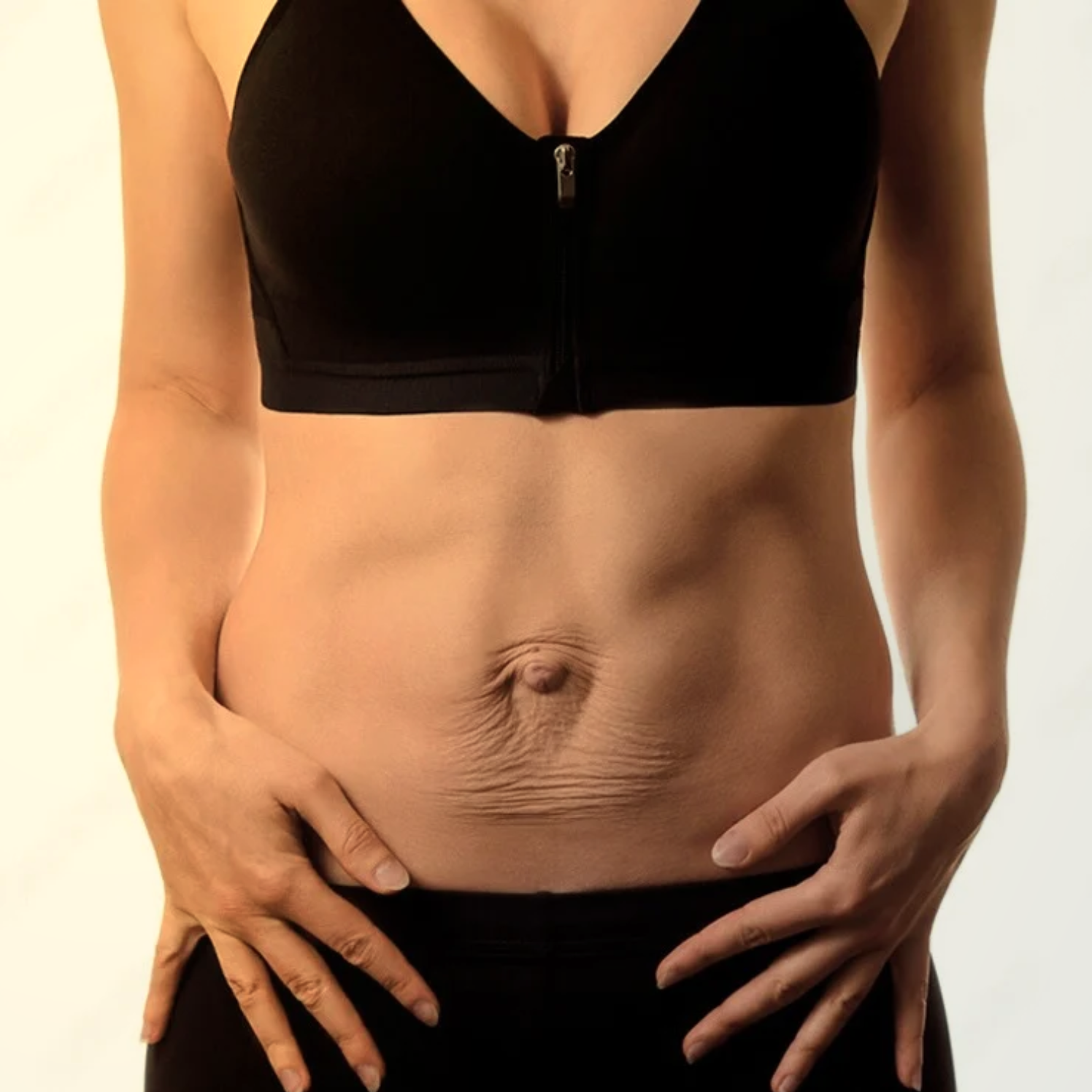
Mommy makeover is a term used for planning procedures after pregnancy-related changes. It is not a single operation or a mandatory set of interventions.
- Priorities may involve the breasts, abdomen or other areas.
- Combining procedures depends on clinical assessment and surgical risk.
- Staged surgery may also be part of planning.
Suitability depends on an individual assessment.
Talk to us on WhatsAppUnderstand the differences
Combined surgery or staged planning?
Use this comparison to organise your questions. It does not determine which surgery is appropriate for you.
Suitability, risks and alternatives depend on an individual assessment.
- ASPS — Mommy makeover — institutional guidance.
- ASA — Preparing for surgery — institutional guidance.
The answers below retain their specific references. Institutional guidance and scientific studies serve different purposes; neither predicts an individual's outcome.
A possible combination, not a fixed package
Mommy makeover describes planning that may combine procedures. Which operations to consider, whether to combine them and when to perform them depend on each patient's health, clinical assessment and routine.
The value of a consultation
What we will discuss and assess
- The changes that matter most to you and your priorities.
- Your stage of life, breastfeeding and future pregnancy plans.
- Whether to combine or separate procedures and the support needed during recovery.
A consultation is a space to ask questions and explore options. Booking does not commit you to surgery.
Timing is part of the indication
Combined surgery is not suitable for every patient. The decision must consider risks, operating time and recovery. Help with daily tasks and childcare needs advance planning.
Suitability, recovery and outcomes depend on each case. Risks and alternatives will be discussed at your medical assessment.
An informed decision
Prepare your questions for the consultation
Planning considers timing after pregnancy and breastfeeding, body stability and support at home. The convenience of a single recovery should not be the only criterion.
- Which changes concern you most, and what are your priorities?
- Are you breastfeeding or planning another pregnancy?
- Will you have help with childcare and household tasks?
Bring these questions to your consultation. You do not need to have chosen a technique beforehand.
Make time for your questions.
Arrange a consultation to assess your priorities and discuss planning after pregnancy.
Talk to us on WhatsAppContact the team on WhatsApp for appointment availability and booking information.
Frequently asked
questions
How long after childbirth or breastfeeding can I have surgery?
For cosmetic breast and abdominal surgery after childbirth, I assess general recovery, weight stability, breast condition and available help at home. Stopping breastfeeding alone does not mean you are ready for combined surgery.
For breast surgery, 3 to 6 months after weaning is a clinical reference, adjusted to breast stabilisation. No single interval applies to all patients or procedures.
Sleep, nutrition, possible anaemia and the baby's routine also matter. After breast and abdominal surgery, lifting and carrying your baby and repetitive tasks may be restricted. Support should be arranged before surgery.
If another pregnancy is planned soon, we discuss postponing treatment. The goal is to operate during sufficient stability with realistic conditions for recovery, rather than relying only on months since childbirth.
References
-
ASPS. Breast Lift Results. Institutional guidance. View reference.
-
Australian Society of Plastic Surgeons. Body Contouring. Institutional guidance. View reference.
Can breast and abdominal surgery be combined? Is it safe?
Breasts and abdomen can be treated in the same operation in selected patients. The combination allows a shared recovery but increases the overall extent of surgery and may require more support and care.
In a retrospective analysis of the CosmetAssure database involving over 55,000 tummy tucks, the overall rate of major complications was 2.1%. After adjustment for risk factors, this outcome did not increase significantly in the combinations assessed. This rate excludes some minor complications and is not an individual prediction for any mommy makeover.
The study observes patients already selected for surgery and does not show that every combination is equivalent to an isolated procedure. Different procedures, clinical characteristics and duration must inform the decision.
I assess blood clot risk, healing conditions, liposuction extent when applicable and expected total duration. If combination is inappropriate, I propose stages. Planning must also comply with applicable rules, including Cremesp Resolution No. 400/2026 in São Paulo.
References
-
Chaker SC et al. Complications and Risks Associated With the Different Types of Abdominoplasties: An Analysis of 55,956 Patients. Aesthet Surg J. 2024;44(9):965–975. DOI: 10.1093/asj/sjae060. Retrospective database study. View reference.
-
Regional Medical Council of the State of São Paulo. CREMESP Resolution 400, dated 26 May 2026. Published in the Federal Official Gazette on 25 June 2026. Surgical planning and safety regulation. View reference.
What is recovery from combined surgery like?
Recovery combines care for each treated area. Planning considers pain, dressings, sleeping positions, mobility and tasks requiring help. The benefit of a single period away from activities must be weighed against greater initial limitations.
When the abdomen and breasts are treated, for example, getting out of bed, carrying objects and childcare may require adjustments. Drains and compression garments are determined by indication and recovery, not simply by the label “combined surgery”.
Blood clot prevention is part of assessment: guided mobilisation and other measures are selected according to risk and potential bleeding. Relative rest does not mean complete immobility.
Before discharge, you should know which medicines to use, how to care for wounds, when to return and how to contact the team. Shortness of breath, chest pain, fainting or feeling seriously unwell require immediate care. Increasing pain, fever or discharge should be reported promptly.
There is no single recovery timeline for every combination. Return to activity is organised by task and adjusted to follow-up findings.
References
-
ASPS. Body Lift Recovery. Institutional guidance. View reference.
-
Australian Society of Plastic Surgeons. Body Contouring. Institutional guidance. View reference.
-
ASA. Preparing for Surgery: Checklist. Institutional guidance. View reference.